Lebanon’s recurring crises — financial collapse, political deadlock, and the March 2026 escalation that displaced over one million people — repeatedly interrupt reform cycles, allowing the same corrupt structures and elite networks to survive indefinitely.
As of April 2026, Lebanese authorities are in talks with the International Monetary Fund for rapid financing of up to $1 billion to address war-related impacts. This follows a February 2026 IMF staff visit that urged stronger banking restructuring and a credible medium-term fiscal framework. Yet parliamentary elections scheduled for May have been postponed, with the current parliament extending its term by two years amid the security crisis. Banking transparency measures and the financial gap law remain stalled. The pattern is now familiar: each shock creates urgency for immediate response while providing political cover to deprioritize the structural changes needed for long-term stability.
The repeating cycle of crisis and delay
Lebanon has experienced multiple reform windows since the 2019 financial collapse. In 2025, authorities advanced amendments to banking secrecy laws and a bank resolution framework. A draft financial gap law addressing the massive shortfall in depositor claims reached cabinet level. The IMF engaged in detailed discussions, highlighting the need for alignment with international standards.
These steps generated cautious momentum. However, implementation has consistently faltered. The March 2026 hostilities shifted government priorities to emergency coordination, humanitarian aid, and security. Parliament’s decision to extend its mandate postponed elections and legislative focus on pending reforms. Similar interruptions occurred in earlier periods: political vacuums, security incidents, and economic aftershocks each served to reset reform timelines.
The current talks for rapid IMF financing emphasize budget support and humanitarian response. While necessary for immediate needs, they risk repeating the cycle of short-term relief without the governance anchors required for sustainable recovery.
Crisis as a structural reset blocker
Lebanon’s confessional power-sharing system already fragments decision-making and grants veto power to major blocs. External crises amplify this effect by narrowing institutional focus to survival. Cabinet sessions prioritize displacement management, shelter coordination, and ceasefire-related diplomacy over complex legislation on banking restructuring or fiscal strategy.
This narrowing is not accidental. It allows political actors to frame unity and emergency response as overriding priorities, sidelining debates that could challenge entrenched interests. Patronage networks remain intact as aid distribution and reconstruction planning move through established channels. The result is procedural continuity — meetings held, statements issued — without substantive progress on the reforms that would alter power balances.
A non-obvious mechanism operates here. Crises do not merely delay reforms; they reset the political clock in favor of the status quo. Public attention shifts to immediate threats, reducing pressure for accountability. International partners provide emergency support more readily than conditioned long-term packages, inadvertently extending the window for delay. Each cycle reinforces the perception that reform can always wait for calmer times, even as calmer times never fully arrive.
How crises protect corrupt structures
The 2019 banking collapse exposed elite access to subsidized facilities and pre-crisis outflows. Subsequent probes into central bank misconduct have produced charges and referrals but no completed domestic trials with meaningful outcomes. The March 2026 displacement crisis has further postponed scrutiny of reconstruction contracts and aid allocation, areas historically vulnerable to diversion through patronage.
War and economic shocks create practical barriers: judges and prosecutors face disrupted operations, records become harder to access, and public demand for justice yields to demands for security and relief. Political leaders position themselves as crisis managers, gaining temporary legitimacy while deeper accountability measures recede. The same networks that benefited from pre-crisis financial engineering adapt to manage emergency resources, preserving influence across cycles.
This protection is self-reinforcing. Weak institutions struggle during crises, which justifies further reliance on informal or sectarian networks. These networks, in turn, reduce pressure for strong central reforms that would diminish their role.
Broader costs to recovery and sovereignty
The repeated use of crisis as a reform blocker carries measurable consequences. International donors link larger assistance to verifiable governance steps. Without progress on banking transparency and fiscal frameworks, Lebanon remains dependent on piecemeal support and risks extended isolation from concessional financing. Depositors continue to face restricted access, while banks operate under uncertainty, constraining private sector activity.
Politically, the cycle deepens fragmentation. It diffuses responsibility so that no single actor bears full blame for stalled progress, yet the collective elite retains control. Public trust erodes as citizens observe formal reform pledges repeatedly overtaken by new emergencies. This cynicism weakens social cohesion and complicates efforts to build cross-sectarian consensus on national priorities.
Geopolitically, the pattern leaves Lebanon vulnerable. In ongoing talks with Israel and future reconstruction negotiations, the state enters with limited credibility and institutional capacity. External partners see a government constrained by domestic vetoes and a track record of interrupted commitments, reducing Lebanon’s negotiating leverage.
Breaking the pattern requires intentional insulation
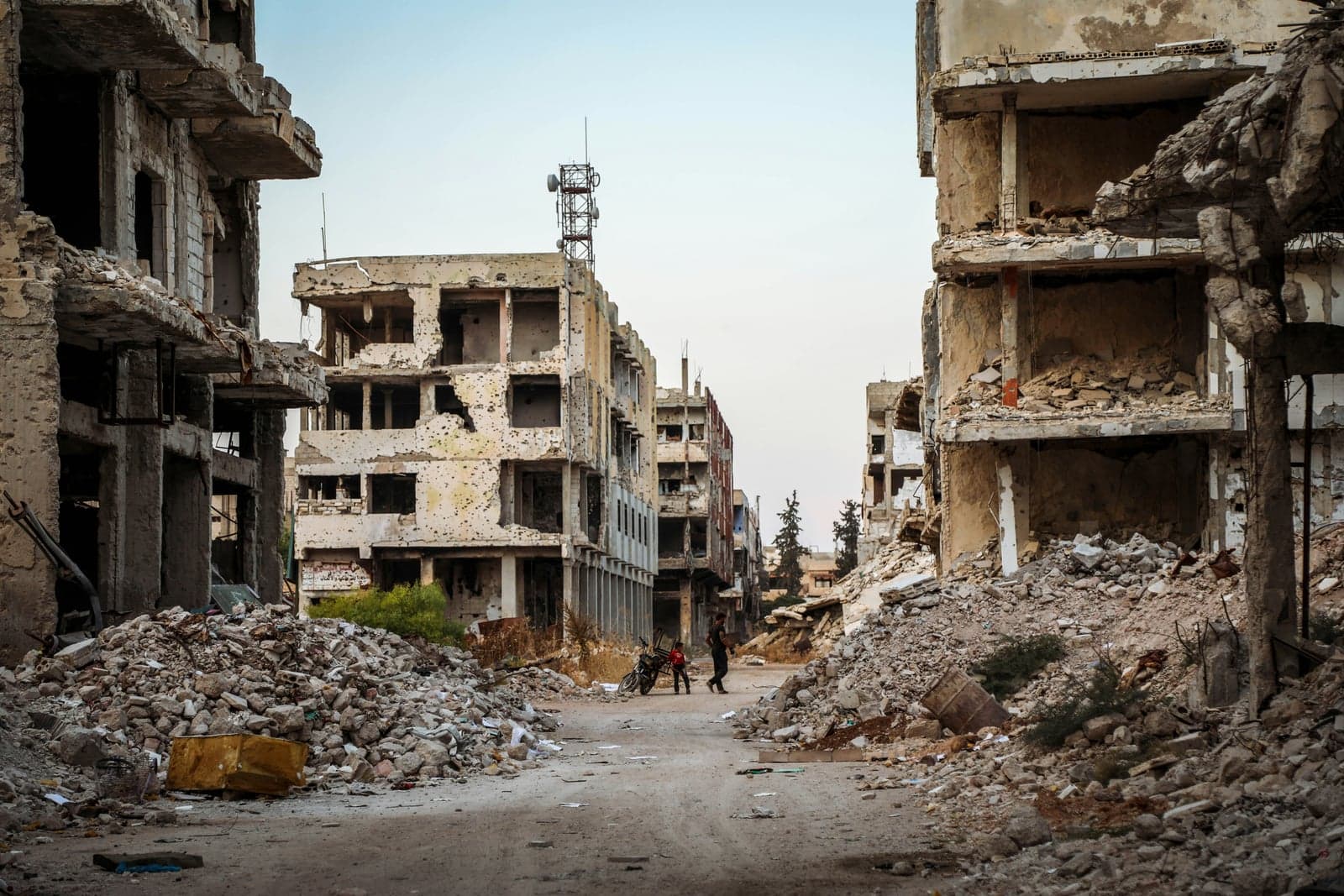
Lebanon’s crises are real and devastating. The March 2026 escalation displaced over one million people in weeks, overwhelming shelters and infrastructure. Humanitarian needs demand immediate attention. Yet the consistent pattern shows that without deliberate mechanisms to protect reform processes from disruption, crises will continue to serve as convenient blockers.
Possible paths forward include fixed legislative timelines for key economic laws, independent oversight bodies shielded from political pressure, and cross-party agreements that insulate core reforms from emergency declarations. International engagement could tie rapid financing more explicitly to parallel progress on structural measures rather than treating them as sequential.
Every Lebanese crisis has become an excuse to avoid reform because the underlying system benefits from perpetual deferral. War, displacement, and economic shocks repeatedly interrupt cycles that would otherwise challenge elite control. The March 2026 events and current IMF discussions offer another test. Sustainable recovery depends on treating reform as a parallel priority, not a casualty of the next emergency. Until Lebanon builds resilience against this pattern, the same corrupt structures will survive each crisis, ensuring the next one arrives on similar terms.