Investigative teams from Daraj Media and OCCRP continue to expose high-level financial misconduct in Lebanon despite facing legal harassment, displacement from the March 2026 conflict, and resource shortages that threaten their work and personal safety.
As of April 2026, more than one million Lebanese remain displaced by the recent escalation of hostilities. Among them are journalists who once operated from Beirut newsrooms or southern field offices. Their reporting on corruption cases linked to the 2019 banking collapse and central bank mismanagement has triggered lawsuits, summonses, and online threats. The pattern is clear: the more detailed the exposure of elite networks, the greater the pressure on the outlets that document it. This creates an information vacuum that shields those in power at a moment when accountability is already in short supply.
Legal harassment targets specific investigations
Daraj Media, an independent Lebanese platform known for its focus on corruption and financial accountability, has faced repeated legal challenges. In March and April 2025, its editor-in-chief and journalists were summoned by the Anti-Cyber-crime Bureau and public prosecutors following lawsuits filed by banking figures. The complaints accused the outlet of defamation and undermining state financial stability after reports examined alleged malpractices at Société Générale de Banque au Liban and connections to broader central bank issues.
Similar dynamics affect OCCRP partners. The Organized Crime and Corruption Reporting Project has published multiple investigations into former central bank governor Riad Salameh, including details on offshore entities and embezzlement allegations. Lebanese authorities have referenced these stories in domestic proceedings, yet the journalists behind the reporting operate under constant scrutiny. Vague charges such as “inciting depositors to withdraw funds” or “receiving foreign funding for harmful campaigns” appear designed to tie up resources and deter deeper probes rather than address the substance of the findings.
These legal actions do not typically result in convictions. Instead, they consume time, force outlets to hire lawyers, and send a signal that investigative work carries professional and personal risk.
Displacement and physical risks compound the pressure
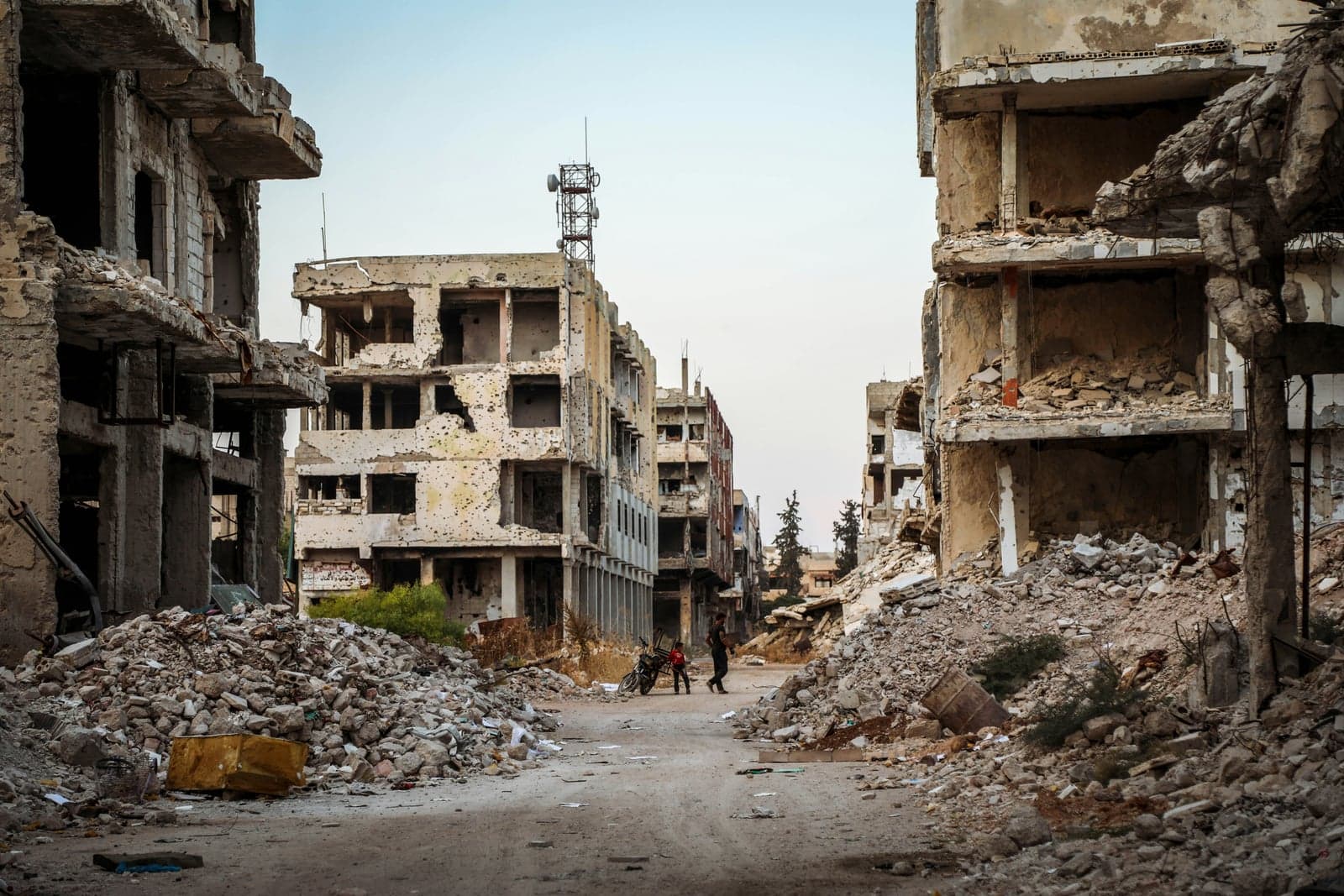
The March 2026 conflict added a new layer of disruption. Journalists from Beirut and southern Lebanon found themselves among the displaced, reporting from temporary shelters while managing family safety concerns. Media buildings have been damaged or destroyed in strikes, and access to conflict zones has been restricted by both state forces and non-state actors.
Physical threats extend beyond the battlefield. Online harassment, death threats, and intimidation campaigns target reporters by name, often coordinated across social media. In some cases, journalists report that personal contact details surface in these attacks, raising security concerns for themselves and their families. Resource shortages compound the problem: independent outlets operate with limited budgets, making it harder to secure protective equipment, secure digital communications, or sustain operations when staff are scattered.
The result is reduced field presence exactly when public interest in corruption stories peaks during reconstruction debates and international aid discussions.
The information vacuum and elite protection
When investigative journalism slows, the vacuum is filled by official statements or partisan narratives. Detailed accounts of fund movements, shell companies, or patronage networks become rarer, leaving citizens with incomplete pictures of how public resources are managed. This gap benefits those under scrutiny: high-profile cases such as the ongoing Salameh files advance slowly in domestic courts while international probes in Europe produce more visible results.
The mechanism is self-reinforcing. Legal and security pressures raise the cost of reporting, which reduces output. Lower output reduces public pressure for reform, which in turn lowers the incentive for authorities to pursue accountability. Elite networks gain breathing room without needing to silence every story outright.
A non-obvious insight emerges here. The threats do not need to eliminate all coverage; they only need to make consistent, high-impact investigative work unsustainable. Outlets shift toward safer topics or rely more heavily on external partnerships, diluting the local scrutiny that domestic institutions fear most.
Broader impact on public accountability and reform
The challenges facing investigative journalism in Lebanon carry consequences beyond newsrooms. Citizens already skeptical of state institutions rely on independent reporting to understand the roots of economic collapse, aid distribution, and reconstruction contracts. When that reporting faces systematic obstacles, trust in information sources erodes further, and demands for systemic change lose momentum.
International partners monitoring governance reforms note the same dynamic. Progress on banking transparency or asset recovery appears more credible when backed by local investigative evidence rather than official self-assessments. Reduced domestic scrutiny weakens Lebanon’s negotiating position with donors who tie funding to verifiable anti-corruption steps.
The pattern also affects the next generation of journalists. Younger reporters observe the risks and weigh them against limited career stability, leading to talent drain or self-censorship. This long-term hollowing out of the investigative sector leaves future crises less documented and less contested.
Structural barriers that sustain the cycle
Lebanon’s media environment operates within the same fragmented power structures that enable corruption. Defamation laws remain broad, cyber-crime provisions allow swift summonses, and cross-sectarian political influence shapes enforcement. Impunity for threats against journalists is high, with few cases reaching full investigation or resolution.
Independent outlets like Daraj and OCCRP collaborators fill gaps left by traditional media often aligned with political or financial interests. Yet their very independence makes them targets. International recognition and partnerships provide some protection through visibility, but they cannot replace secure operating conditions inside Lebanon.
The March 2026 displacement crisis has tested this resilience further. Journalists displaced alongside the populations they cover bring first-hand insight, but lose the infrastructure needed for sustained investigation. Aid and reconstruction reporting now competes with personal survival needs.
Lebanon’s investigative journalists continue to document corruption at considerable personal and professional cost. Teams from Daraj Media and OCCRP have produced critical reporting on banking sector failures and elite financial networks even as legal actions, displacement, and threats mount. The information vacuum their work tries to fill, however, grows when those pressures succeed in slowing output. This protects the very elites whose actions the journalists expose and leaves citizens with fewer tools to demand accountability. Until the country creates space for independent scrutiny without retaliation, the cycle of exposure, pressure, and partial silence will persist, weakening both journalism and the governance it seeks to strengthen.