The renewed escalation of hostilities in March 2026 has displaced more than one million people and forced Lebanon’s government to focus solely on emergency response, quietly freezing anti-corruption initiatives and allowing entrenched networks to regroup.
Lebanon entered 2026 with fragile momentum on governance reforms after years of economic collapse and stalled probes into high-level financial misconduct. That progress has now halted. With over one million internally displaced since early March and the cabinet consumed by security decisions and humanitarian coordination, accountability measures have receded from view. The pattern is familiar: crisis overrides scrutiny, and the political class gains time to consolidate positions without facing consequences.
The scale of the current displacement crisis
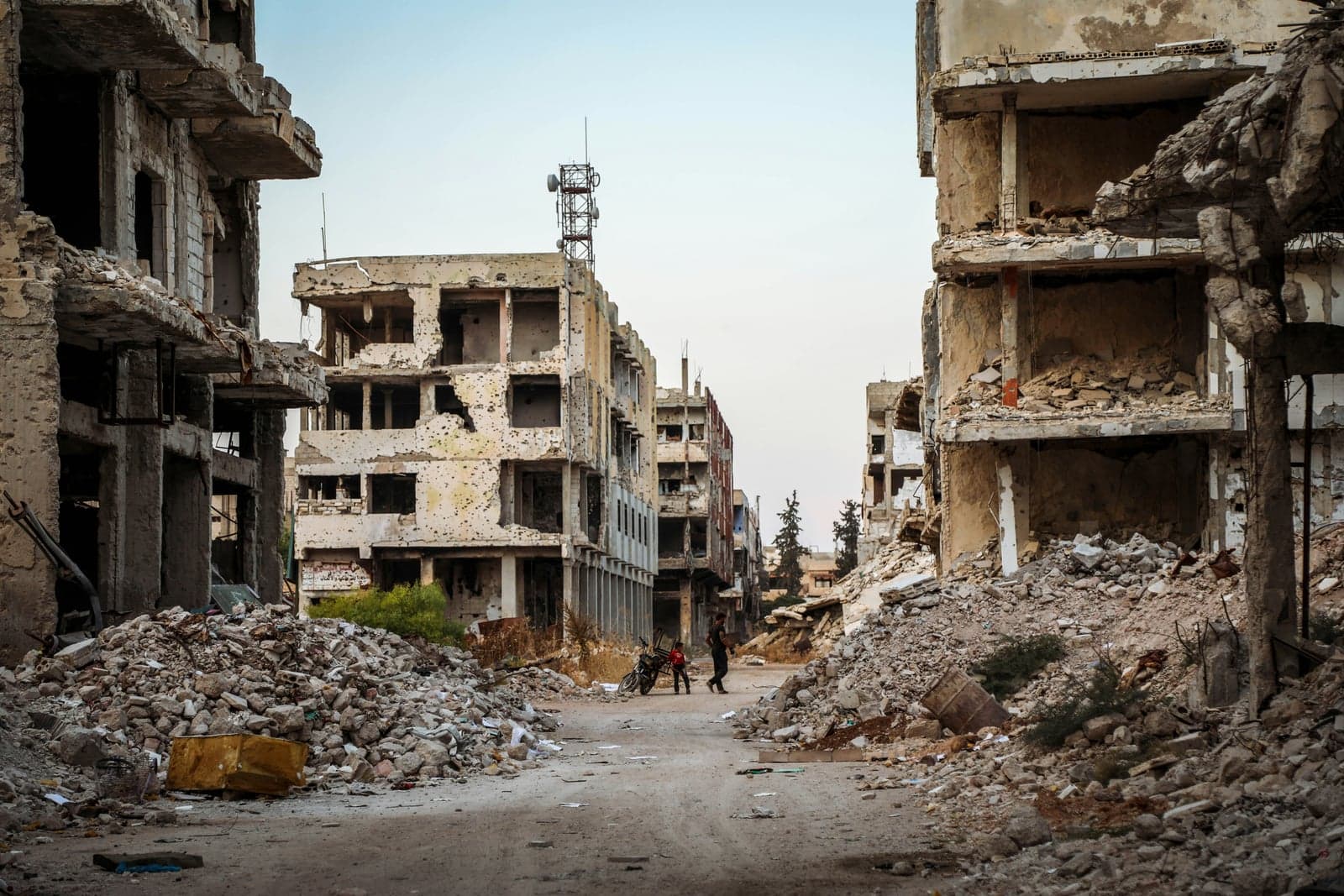
Since the intensification of cross-border hostilities in early March 2026, Lebanese authorities have registered more than one million internally displaced persons. Hundreds of thousands are sheltering in collective sites, while others stay with relatives, rent temporary housing, or sleep in the open. The Ministry of Social Affairs and international agencies report rapid movement, with families displaced multiple times as evacuation orders expand.
This wave follows earlier displacement from the 2024 conflict and comes amid an already strained economy. Schools, public buildings, and host communities absorb the immediate burden. Infrastructure in the south and parts of Beirut faces renewed pressure. The government’s daily operations now center on coordinating aid, managing shelters, and addressing security breaches.
How war redirects institutional priorities
In wartime, governance narrows to survival. Cabinet sessions address immediate threats, military coordination, and humanitarian logistics rather than legislative oversight or judicial appointments. Parliamentary activity slows as lawmakers prioritize constituency needs and national unity messaging. The National Anti-Corruption Commission and related bodies continue formal existence but lack the political bandwidth or public attention required for enforcement.
This shift is structural. Lebanon’s confessional system already fragments authority; external conflict amplifies the effect by creating an overriding imperative for cohesion. Criticism of elite conduct risks being framed as undermining the national front. Investigations that once generated headlines now compete with casualty reports and shelter updates.
The freeze on anti-corruption and accountability efforts
Ongoing cases illustrate the stall. The high-profile file against former central bank governor Riad Salameh, referred to the Court of Cassation in January 2026, has produced no further public movement. Earlier domestic steps—indictments, bail conditions, and limited asset probes—have not advanced to trial. Similar patterns affect broader financial oversight.
Reform initiatives tied to international support, including those linked to IMF discussions, have been deprioritized. Laws on asset disclosure, banking transparency, and judicial independence require sustained legislative push; that push is absent when every session focuses on emergency decrees. The result is procedural continuity without substantive progress.
International partners note the dynamic. Aid for immediate relief flows more readily than funding conditioned on governance benchmarks. The war environment allows Lebanese authorities to argue that deeper reforms must wait until stability returns.
Elite networks regroup under crisis cover
Conflict creates practical and political space for entrenched interests. Aid distribution and reconstruction contracts often pass through established patronage channels. Political leaders can position themselves as crisis managers while internal rivalries pause under the banner of unity. The same networks that benefited from pre-crisis financial engineering retain influence over resource allocation during the emergency.
A non-obvious mechanism operates here. War does not merely delay accountability; it resets the timeline in favor of the status quo. Public anger, once directed at economic mismanagement, redirects toward external threats. Sectarian solidarity strengthens, reducing cross-community pressure for systemic change. Elite consensus on “national priorities” shields individual accountability.
This regrouping is temporary but effective. It allows figures across blocs to strengthen alliances, secure positions ahead of future elections, and prepare for postwar bargaining over reconstruction funds.
Broader costs to Lebanon’s recovery
The freeze carries measurable consequences. International donors link concessional financing and reconstruction support to verifiable governance steps. Without visible movement on anti-corruption, Lebanon remains locked out of larger packages needed for economic stabilization. Banks stay cautious, diaspora investment stays offshore, and the domestic private sector operates under heightened uncertainty.
Politically, the pattern deepens cynicism. Citizens displaced for the second or third time in recent years see governance focused on managing the symptoms of crisis rather than its root causes. The selective application of rule of law—active during calm periods, dormant during conflict—reinforces the view that accountability is conditional on stability.
Longer term, repeated use of war as cover entrenches the very weaknesses that make Lebanon vulnerable. An elite insulated from consequences has little incentive to build resilient institutions. The cycle of crisis, impunity, and renewed crisis becomes self-reinforcing.
Structural change must outlast the next crisis
Lebanon’s latest conflict has displaced over one million people and consumed the government’s attention. It has also provided the latest convenient pause in efforts to hold the corrupt elite accountable. The mechanisms are clear: institutional focus narrows, public scrutiny softens, and political networks adapt.
Until accountability operates independently of the security environment—through genuinely independent prosecutors, mandatory asset transparency, and judicial appointments shielded from sectarian quotas—these freezes will recur. War may dominate headlines today, but the unaddressed corruption that preceded it will shape the recovery tomorrow.
The real test for Lebanon is not whether it survives the current escalation. It is whether it emerges with institutions strong enough to prevent the next one from serving the same purpose.