Russian naphtha and fuel oil transferred via ship-to-ship operations near Port Said could soon reach Lebanese ports through opaque supply chains, repeating the pattern of earlier shadow imports.
In March and April 2026, more than 200,000 tons of Russian naphtha and fuel oil were transferred at sea near Egypt’s Port Said anchorage and other Eastern Mediterranean locations. These cargoes originated from tankers departing Ust-Luga in Russia and were rerouted through ship-to-ship transfers to obscure their origin. While the immediate destination is not always publicly declared, the volumes and routing place them squarely in the supply chains that have historically fed Lebanon’s fuel imports. For a country still struggling with chronic electricity shortages and a history of controversial fuel deals, this latest wave of shadow shipping raises a direct question: is Lebanon about to repeat the same opaque import practices that previously triggered accusations of sanctions evasion and elite profiteering?
The shadow shipping pattern in the eastern Mediterranean
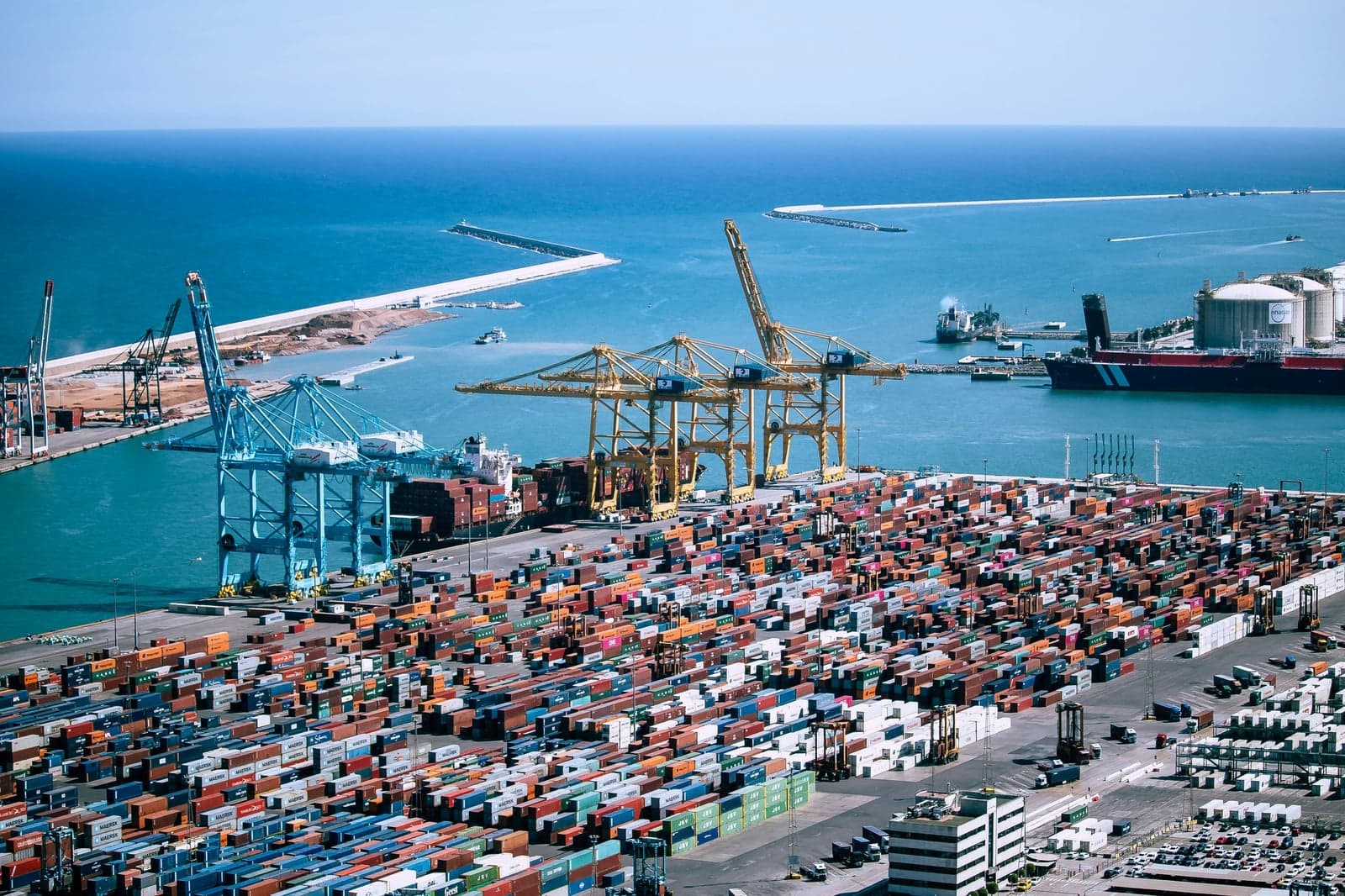
Ship-to-ship transfers have become a standard method for Russian oil products to reach Mediterranean markets despite Western sanctions. In February 2026 alone, over 200,000 tons of naphtha and fuel oil were moved at Port Said, a key anchorage that serves as a convenient hub for vessels seeking to change flags, blend cargoes, or hide origins. Additional operations continued through March and April, with tankers from Russia’s Ust-Luga port appearing in the region after conducting transfers at sea.
These transfers are not accidental. They are driven by two practical factors: Western sanctions that make direct deliveries risky and winter weather constraints that limit loading at Russian ports. The result is a flexible shadow fleet that can adjust documentation and routing in real time. Once the cargoes reach the Eastern Mediterranean, they enter a grey zone where traceability becomes difficult. From Port Said, onward movements toward Lebanon or Syria are logistically straightforward and economically attractive for buyers facing energy shortages.
Lebanon’s chronic energy vulnerability
Lebanon has suffered from severe electricity shortages for years. Power plants frequently run below capacity because of fuel shortages and high costs. The country relies heavily on imported fuel oil and naphtha to generate electricity, yet its regulatory framework for monitoring these imports remains weak. Customs oversight, port security, and fuel-trading transparency have not kept pace with the sophistication of international shadow shipping networks.
This vulnerability is not new. In previous years, Lebanon faced public scandals over suspected Russian fuel imports that used similar ship-to-ship techniques to mask origins. Those episodes raised concerns about politically connected traders profiting from discounted cargoes while the state paid premium prices or absorbed losses. The current wave of Russian oil products near Port Said arrives at a moment when Lebanon’s energy needs remain acute and its ability to scrutinise imports is still limited.
How opaque supply chains enable elite capture
The mechanism is straightforward but difficult to police. Once Russian naphtha or fuel oil is transferred at sea near Port Said, the cargo can be re-documented, blended, or redirected with minimal oversight. Lebanese importers, whether state-linked or private, can receive the product through intermediaries without clear visibility into its ultimate origin. This opacity creates opportunities for arbitrage: discounted Russian fuel can be purchased at below-market rates, then sold into Lebanon at prices that generate significant margins for those with the right connections.
Lebanon’s history shows how such arrangements tend to benefit politically connected businesses rather than the public. Fuel import contracts have long been subject to patronage networks that operate with limited competition and even less transparency. Without robust end-to-end tracking from the point of transfer to final discharge, it becomes nearly impossible to verify whether cargoes comply with international sanctions or whether the pricing reflects genuine market conditions.
The risk of repeating past scandals
The pattern is familiar. Earlier controversies over Russian fuel imports to Lebanon involved vessels that used ship-to-ship transfers to disguise their cargo. Those cases triggered parliamentary questions, media investigations, and accusations that elite interests had profited while ordinary citizens faced blackouts and inflated electricity costs. The latest activity near Port Said suggests the same supply lines remain open.
If these cargoes reach Lebanese ports without enhanced scrutiny, the country risks another cycle of controversy. Public funds or consumer electricity bills could once again subsidise imports whose true economics remain hidden. At the same time, Lebanon’s already strained relationship with international donors and financial institutions could suffer further damage if new evidence emerges of sanctions circumvention.
Why stronger monitoring is now urgent
Lebanon cannot afford to treat these shipments as routine commercial activity. The volumes involved are substantial enough to influence national fuel supply for weeks or months. At a time when the country is seeking reconstruction aid, IMF support, and greater international confidence after the March 2026 displacement crisis, any perception of continued opacity in fuel imports carries real diplomatic and economic costs.
Effective monitoring would require several practical steps: improved vessel tracking at ports, mandatory disclosure of cargo origins for all fuel imports, and closer coordination between customs, the energy ministry, and international partners. Without these measures, the shadow fleet operating near Port Said will continue to exploit Lebanon’s energy needs rather than serve them transparently.
Lebanon’s next fuel scandal may already be at sea. Russian naphtha and fuel oil transferred via ship-to-ship operations near Port Said are moving through the Eastern Mediterranean in volumes that could easily reach Lebanese ports. The country’s chronic energy shortages and history of politically connected fuel trading make it particularly vulnerable to repeating the opaque import practices that have previously triggered public outrage and damaged its international standing.
The risk is not theoretical. It is operational. Without urgent improvements in transparency and monitoring, these cargoes could soon enter Lebanon under conditions that once again shield elite interests while ordinary citizens bear the cost of unreliable electricity and questionable pricing. The ships may still be at sea, but the governance failure that would allow another scandal is already in place on land.